Step-by-Step Guide: How to Install a Home EV Charger in Nepal
From upgrading your NEA meter to 30 Ampere single-phase/three-phase to selecting between 3.3kW vs 7.4kW AC wallboxes, here is your essential home setup checklist.
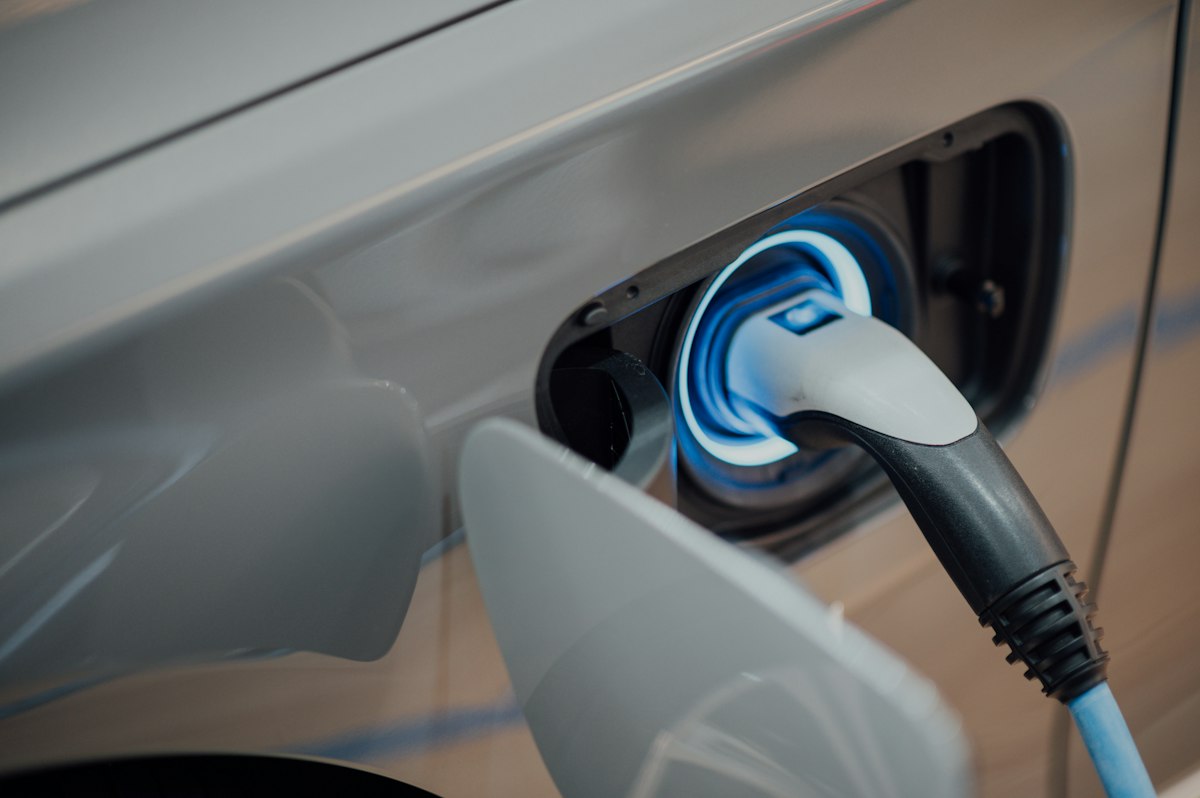
One of the greatest luxuries of EV ownership is never having to queue at a petrol station again. Over 85% of EV charging occurs quietly at home while you sleep. But setting up an AC home charger in Nepal requires a few crucial electrical considerations.
Step 1: Check Your Electricity Meter Capacity
Most standard households in Kathmandu are equipped with a 15 Ampere or 30 Ampere single-phase meter. A dedicated 7.4 kW home wallbox draws roughly 32 Amps at 230V. Therefore, you should apply to your local NEA branch for a 30A or 3-phase meter upgrade to prevent main breaker trips.
Step 2: Choose 3.3 kW vs 7.4 kW vs 11 kW
3.3 kW Portable 16A Charger: Plugs into a standard 16A industrial socket. Adds roughly 20–25 km range per hour. Ideal for overnight topping-up on smaller 30kWh battery packs.
7.4 kW Dedicated Wallbox: Hardwired with dedicated 6 sq. mm or 10 sq. mm wiring. Adds 45–55 km per hour. Fully charges most 50kWh–60kWh batteries in 7 to 8 hours.
11 kW / 22 kW Three-Phase: Requires a three-phase connection and an onboard charger that supports 3-phase AC input (such as Hyundai Ioniq 5 or Avatr 11).
Step 3: Crucial Safety Measures
Always ensure a dedicated Earth pit with earthing resistance below 5 Ohms, an independent Residual Current Device (RCBO/ELCB Type B or Type A+6mA DC), and proper lightning arrestors. Never use standard extension cords or domestic 5A sockets!
From the highly anticipated Hyundai Creta Electric to Tata Curvv.ev and BYD Sea Lion 07, explore every game-changing electric SUV heading to Nepali showrooms.
Everything you need to know about recent excise duty tiers, road maintenance levies, and the government mandate to install 500+ fast chargers nationwide.